Building Resilient Organizations Through Smart Response Planning


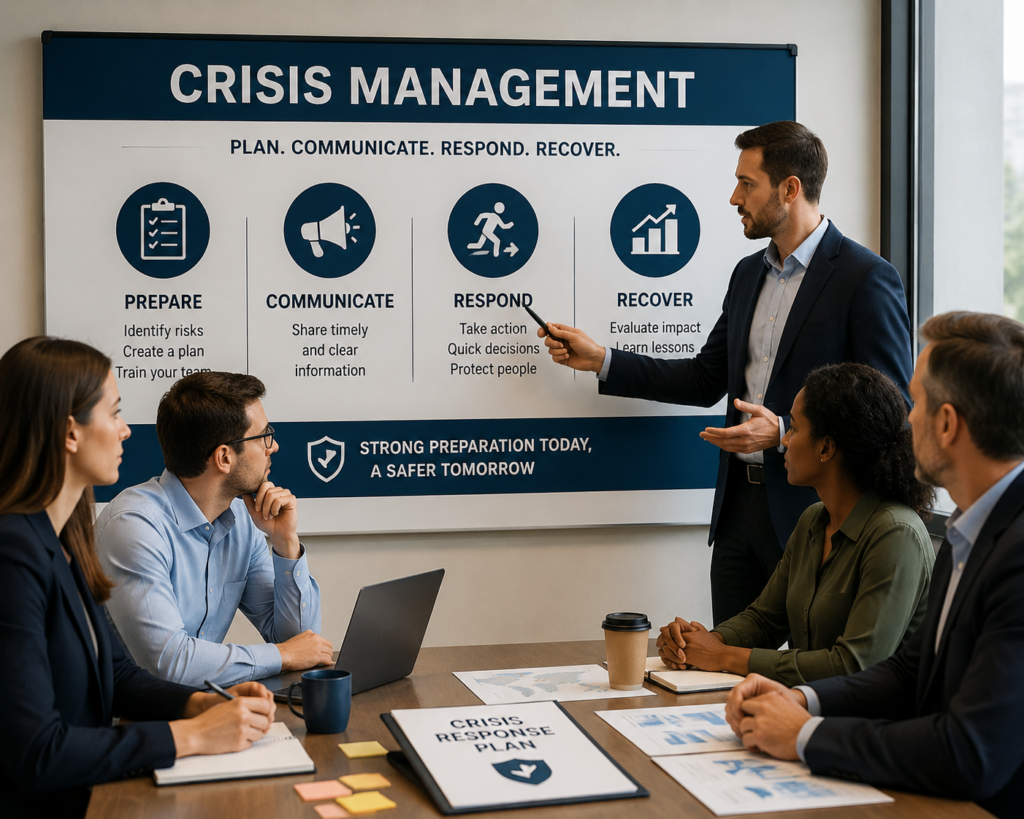
Crisis management plays a major role in how businesses, communities, and leaders handle unexpected challenges. When problems appear suddenly, strong preparation can make the difference between confusion and control. Effective leaders understand that every difficult moment requires calm thinking, quick action, and clear communication. Through emergency response strategies, companies can protect their people, reduce damage, and move forward with confidence. Therefore, learning how to handle uncertainty is not only useful during a crisis, but also valuable for long-term success.
Understanding the Value of Prepared Leadership
Every organization faces moments that test its strength. These situations may include financial problems, public concerns, technology failures, safety issues, or sudden changes in the market. However, leaders who prepare early can respond faster and create better outcomes. Instead of waiting for problems to grow, they build systems that help teams act with purpose.
Moreover, strong leadership during difficult times requires emotional control. Employees often look to managers for guidance when uncertainty increases. Therefore, leaders must remain focused, honest, and approachable. When people trust their leaders, they feel more secure and become more willing to support recovery efforts.
A successful approach to crisis management begins with understanding potential risks before they happen. Companies that review possible challenges can create practical plans that fit their needs. As a result, they avoid rushed decisions and improve their ability to protect their operations.
Creating a Clear Path Before Trouble Arrives
Preparation creates confidence because it gives teams a direction during stressful events. Before a crisis develops, organizations should identify possible risks, assign responsibilities, and establish communication methods. These steps help everyone understand what actions they should take when pressure increases.
In addition, preparation allows businesses to discover weak areas in their operations. For example, a company may realize that it lacks backup systems or clear internal communication channels. By finding these gaps early, leaders can make improvements before they create serious problems.
Furthermore, a strong plan should remain flexible. Every crisis develops differently, so teams need the ability to adjust their actions. A rigid approach may fail when unexpected details appear. Instead, organizations should create guidelines that support quick thinking while still maintaining structure.
Communicating With Confidence During Uncertainty
Communication often becomes the most important part of managing a difficult situation. During stressful events, people need accurate information to make smart decisions. If leaders remain silent or provide unclear messages, confusion can spread quickly.
Therefore, organizations should focus on honest and timely communication. Leaders should explain what happened, what actions they are taking, and what people can expect next. This approach builds trust because employees, customers, and partners understand that the organization values transparency.
Additionally, communication should continue throughout the entire process. Many organizations focus only on the first announcement, but ongoing updates matter just as much. Regular messages help people stay informed and reduce unnecessary fear during uncertain periods.
Using Data to Guide Critical Decisions
Modern organizations have access to more information than ever before. As a result, leaders can use data to understand problems, track progress, and make better choices. During a crisis, reliable information helps teams avoid emotional decisions and focus on facts.
For example, businesses can review customer feedback, financial records, and operational reports to identify the best solutions. Furthermore, data can reveal patterns that show where improvements are needed. Through careful analysis, leaders can create stronger plans for both immediate recovery and future protection.
Another important factor involves using technology effectively. Digital tools can help teams monitor situations, share updates, and coordinate activities. In many cases, technology allows organizations to respond faster and maintain better control. This is why strategic risk assessment has become an important part of modern crisis preparation.
Protecting People While Restoring Stability
Although financial and operational concerns matter, people should always remain a priority. Employees, customers, and communities often experience stress during challenging events. Therefore, organizations must consider the human side of every decision.
Leaders can support people by offering clear guidance, emotional support, and practical solutions. For example, during workplace disruptions, companies may provide flexible options or additional resources to help employees manage changes. These actions show responsibility and strengthen relationships.
Moreover, restoring stability requires patience. Some problems cannot disappear overnight, and leaders must recognize that recovery takes time. By setting realistic goals and tracking progress, organizations can rebuild confidence while continuing to improve their operations.
Learning From Setbacks and Improving Systems
A crisis can reveal important lessons that help organizations become stronger. After a difficult event, leaders should review what worked well and what created challenges. This process allows teams to improve their methods instead of repeating the same mistakes.
Additionally, organizations should encourage honest discussions after a crisis. Employees often have valuable experiences and ideas that can improve future preparation. When leaders listen carefully, they create a culture where learning becomes part of everyday operations.
Over time, these lessons can transform challenges into opportunities. Companies that study past situations often develop stronger systems, better teamwork, and more effective decision-making. Therefore, every crisis can become a chance to grow when leaders approach it with an open mindset.
Strengthening Teams for Future Challenges
Strong teams create stronger outcomes during difficult periods. Therefore, organizations should invest in training that prepares employees for unexpected situations. When people understand their roles, they can act quickly and confidently when problems appear.
Training also improves teamwork because employees learn how to cooperate under pressure. For instance, practice exercises can help teams understand communication methods and decision-making responsibilities. As a result, they become more comfortable handling real challenges.
Furthermore, leaders should create an environment where employees feel comfortable sharing concerns. Early warnings often come from people closest to daily operations. By encouraging open communication, organizations can identify risks before they become larger issues.
Turning Difficult Moments Into Lasting Growth
Crisis management is not only about solving immediate problems. It is also about creating stronger foundations for the future. Through organizational recovery planning, leaders can transform difficult experiences into valuable lessons that improve performance and stability over time.
Additionally, successful recovery depends on commitment from every level of an organization. Leaders must continue supporting their teams, reviewing strategies, and making improvements. When everyone works toward the same goal, recovery becomes more achievable.
Ultimately, challenges will always exist, but organizations can control how they respond. By preparing carefully, communicating clearly, and learning from experience, businesses can handle uncertainty with greater confidence. Strong crisis management helps organizations protect their people today while building a stronger path for tomorrow.