The Smart Path to Giving Back: How Anyone Can Build a Lasting Legacy of Kindness


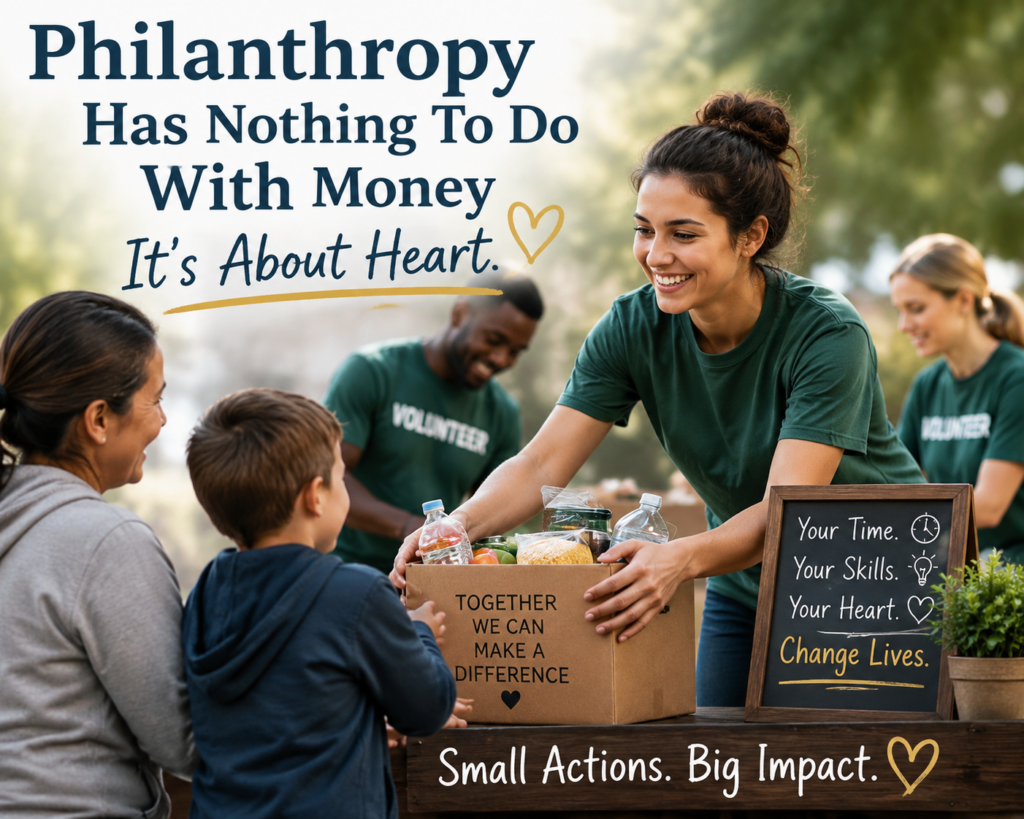
Many people believe they need a large bank account before they can change lives. However, that idea is far from the truth. Real generosity begins with a willing heart, not a full wallet. If you want to learn how to become a philanthropist with no money, you already have the most important requirement, the desire to help others. Your time, skills, compassion, and creativity can make a lasting difference every day. In fact, community impact often starts with small actions that inspire bigger changes. As you continue to help people, you also encourage others to do the same, creating a cycle of kindness that grows naturally over time.
Redefining What Generosity Really Means
Many people connect philanthropy with wealthy business leaders or celebrities. While financial gifts certainly help, they represent only one form of giving. A true philanthropist works to improve the lives of others through meaningful action. Because of that, anyone can begin this journey regardless of income.
Every community needs people who care enough to give their attention, knowledge, and encouragement. Even simple acts, such as helping a neighbor, mentoring a student, or supporting a local nonprofit, create positive change. As a result, generosity becomes part of daily life instead of an occasional event.
Turning Time Into Your Greatest Contribution
Time is one of the most valuable resources every person owns. Unlike money, everyone receives the same twenty four hours each day. Therefore, choosing to spend part of that time helping others becomes an important gift.
Volunteer work allows you to support organizations that need extra hands and fresh ideas. You may help at food banks, schools, animal shelters, or community centers. Furthermore, your consistent presence often becomes just as valuable as financial donations because reliable volunteers help organizations grow stronger over time.
Sharing Talents That Create Lasting Change
Every person has skills that can benefit someone else. Whether you enjoy writing, teaching, designing, repairing equipment, or organizing events, your abilities have value. Instead of keeping those talents to yourself, share them with people who need support.
Nonprofit organizations often struggle with limited resources. Because of that, professional skills donated by volunteers can save money while improving important services. A graphic designer can create promotional materials, while an accountant can help manage finances. Likewise, teachers, photographers, marketers, and technology experts can all contribute in meaningful ways.
Building Strong Relationships Through Service
Helping people creates trust, and trust builds stronger communities. When you consistently show up to support others, meaningful relationships naturally develop. These connections often lead to even greater opportunities for service.
As your network grows, you may discover local projects, neighborhood initiatives, or charitable groups that welcome volunteers. In addition, your positive example encourages friends and family members to participate. During this process, volunteer leadership becomes a powerful force that motivates others while strengthening the organizations you support.
Inspiring Others With Everyday Actions
Kindness spreads faster than many people realize. When someone watches another person volunteer or help without expecting anything in return, they often feel inspired to do something similar. Consequently, one simple action can influence many more people.
Social media also provides opportunities to encourage generosity. Instead of focusing only on personal achievements, share stories about community projects, volunteer experiences, or local needs. As people read those stories, they may choose to become involved themselves. Even small messages can spark meaningful conversations that lead to real action.
Learning While Serving Your Community
Giving back does more than help other people. It also helps you grow as a person. Every volunteer experience teaches valuable lessons about communication, teamwork, leadership, and problem solving. Therefore, philanthropy benefits both the community and the individual.
You also gain a deeper understanding of different life experiences. As you meet people from various backgrounds, your perspective becomes broader and more compassionate. Consequently, your future decisions become more thoughtful because you better understand the needs of others.
Creating Habits That Continue for Life
Many people think they need one large project to become a philanthropist. In reality, small consistent habits create the biggest long term impact. Giving one hour each week can become hundreds of volunteer hours over several years.
Likewise, practicing kindness every day builds a generous mindset. Helping coworkers, supporting local businesses, mentoring younger people, or simply listening to someone who needs encouragement all contribute to stronger communities. Eventually, generosity becomes part of your identity rather than something you occasionally remember to do.
Leaving a Meaningful Example for Future Generations
Real philanthropy is measured by lives touched rather than dollars donated. Because of that, giving without money remains one of the most powerful ways to create positive change. Children, friends, coworkers, and neighbors notice consistent acts of kindness. As they observe your actions, they learn that generosity belongs to everyone, not only the wealthy.
Your journey does not require perfect conditions or financial success before it begins. Instead, it starts with one thoughtful decision to help another person today. Every hour you volunteer, every skill you share, and every encouraging word you offer creates value that cannot be measured by money alone. Over time, those simple choices build a legacy of compassion that continues long after each individual act of kindness has ended.