How Volunteering Improves Health: The Science Behind a Happier, Healthier Life


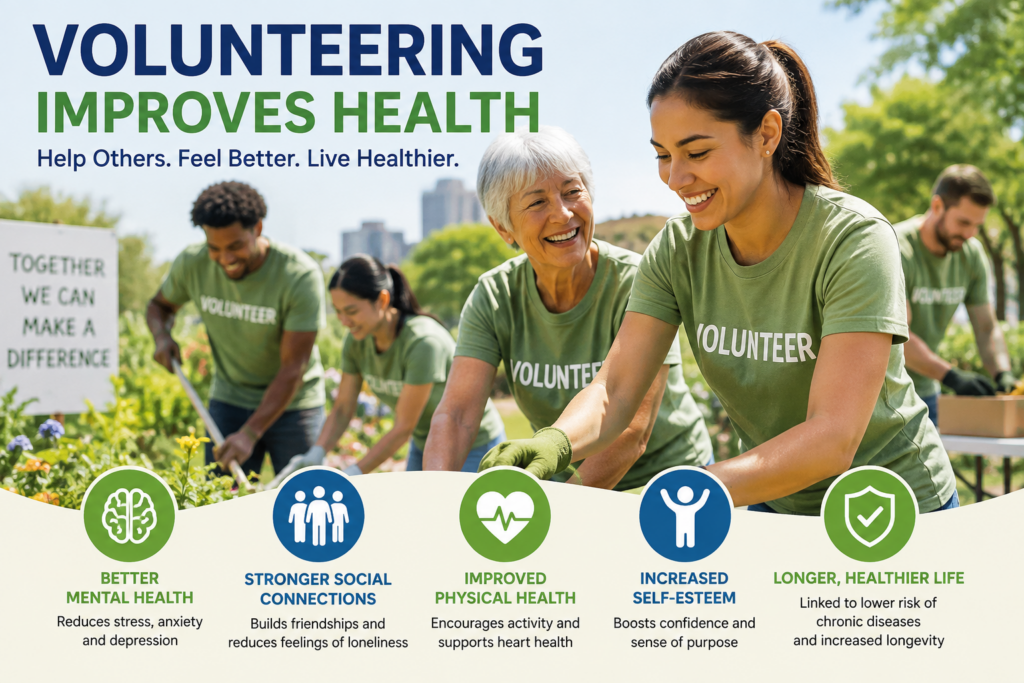
Many people begin volunteering because they want to help others, but they often discover that they benefit just as much. Giving your time to a meaningful cause can improve both physical and mental well-being. Studies continue to show that volunteering supports healthier lifestyles, lowers stress, and creates stronger social connections. As people contribute to their communities, meaningful service becomes a powerful way to improve overall health while making a positive impact on others.
Discovering the Link Between Helping Others and Better Health
Volunteering gives people a stronger sense of purpose. Instead of focusing only on personal responsibilities, volunteers spend time making life better for someone else. That shift in focus often creates a more positive outlook and reduces daily stress.
Researchers have also found that acts of kindness can increase the release of feel-good chemicals in the brain. These natural responses help improve mood and promote emotional balance. Over time, this positive cycle can make it easier to manage life’s challenges while maintaining better mental health.
Building Emotional Strength Through Compassion
Mental health plays a major role in overall wellness, and volunteering offers a simple way to strengthen it. Helping others provides a sense of accomplishment and reminds people that their actions matter. As a result, many volunteers report greater happiness and lower levels of anxiety.
Volunteering also encourages gratitude. Seeing different life experiences often helps people appreciate what they have. In addition, spending time with others reduces feelings of isolation, which supports emotional well-being. Even a few hours of volunteer work each month can create lasting improvements in mood and self-confidence.
Staying Active Without Feeling Like Exercise
Many volunteer opportunities naturally involve physical movement. People may walk during neighborhood cleanups, organize donations, prepare meals, plant gardens, or help at community events. These activities keep the body moving while serving a meaningful purpose.
Regular movement supports heart health, improves flexibility, and helps maintain a healthy weight. Furthermore, staying active lowers the risk of several chronic illnesses. Because volunteers focus on helping others instead of exercising, physical activity often feels enjoyable rather than demanding.
Creating Lasting Friendships Through Shared Goals
Strong relationships are closely connected to good health. Volunteering brings together people who care about the same causes, making it easier to build genuine friendships. Working side by side encourages trust, teamwork, and open communication.
These relationships provide emotional support during difficult times. Moreover, regular conversations and group activities help keep the mind engaged, especially as people grow older. Healthy friendships contribute to lower stress levels and greater life satisfaction, making social connection an important part of long-term wellness.
Developing Confidence While Learning New Skills
Every volunteer experience offers opportunities to grow. People often discover talents they did not know they had while solving problems, leading projects, or supporting community programs. As confidence grows, volunteers become more willing to accept new challenges in other areas of life.
Learning practical skills also creates lasting benefits. Communication, leadership, organization, and teamwork improve through regular volunteer work. During these experiences, social connection becomes an important source of encouragement that helps people continue learning and growing.
Supporting Healthy Daily Habits Naturally
People who volunteer regularly often develop healthier routines. Scheduled volunteer activities encourage better time management, consistent sleep habits, and more balanced lifestyles. Because volunteers want to stay healthy enough to continue helping others, many also make better choices about nutrition and exercise.
These positive habits work together to improve overall health. In addition, volunteers often feel more motivated because their actions directly benefit their communities. This sense of responsibility encourages long-term commitment to healthy living.
Positive Effects for Every Generation
Volunteering benefits people of every age. Children learn kindness, responsibility, and empathy while helping others. Teenagers gain leadership experience and build valuable life skills that support future education and careers.
Adults often enjoy reduced stress and stronger professional networks through volunteer work. Meanwhile, older adults benefit from increased social interaction, continued mental stimulation, and a renewed sense of purpose. Families who volunteer together also strengthen their relationships by sharing meaningful experiences that create lasting memories.
Making Community Involvement Part of Everyday Life
The greatest health benefits come from making volunteering a regular part of life. Fortunately, every community offers opportunities to match different interests, schedules, and abilities. Schools, libraries, hospitals, food banks, environmental groups, and nonprofit organizations all welcome people who want to make a difference. As volunteering becomes a consistent habit, healthy lifestyle habits develop naturally alongside stronger emotional and physical well-being.
You do not need special training or unlimited free time to enjoy these benefits. Even a few hours each month can improve your health, strengthen relationships, and increase your sense of purpose. Over time, volunteering becomes more than an act of kindness. It becomes a practical way to live a healthier, happier, and more connected life while creating positive change for others.